
As fall gives way to colder mornings in Sleepy Hollow, a few simple checks can help you avoid the familiar winter surprises: a slow, clicking start; a defroster that can’t clear the windshield; or a tire-pressure warning that appears as temperatures drop.
You don’t need a collection of gadgets to get ready. A careful visual check can catch warning signs, and a shop visit can cover the tests that need proper equipment. Set aside about 30 to 45 minutes for the walk-around below. If your car needs a repair, that work may take longer.
A practical pre-winter checklist
1. Check the battery before the first hard freeze
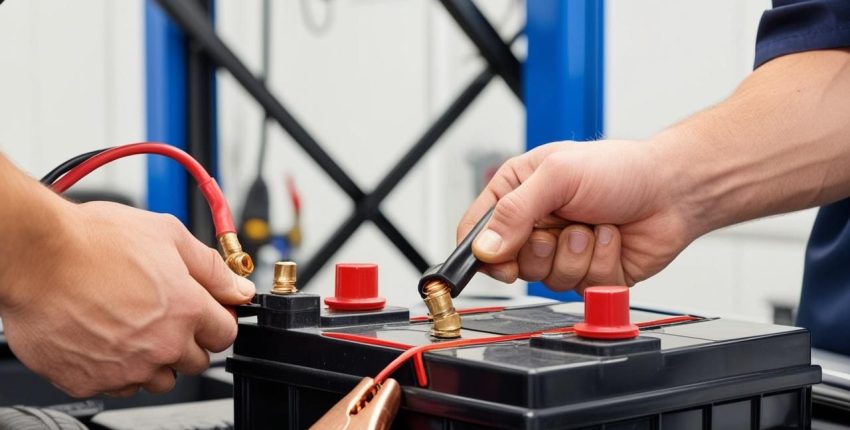
Cold weather makes it harder for a weak battery to start your car. Listen for a slow crank, notice whether the dashboard lights dim during startup, and look for corrosion or loose connections around the battery terminals. Don’t touch or disconnect the terminals if you’re unsure what you’re seeing.
These clues can point to a problem, but they can’t tell you how much starting power the battery has left. A proper battery load test needs a suitable tester. You don’t need to buy one: ask a technician to test the battery and charging system. We offer battery testing and replacement in Sleepy Hollow, and we’ll explain the results before recommending any work.
2. Make sure the coolant is ready for freezing temperatures
Coolant does more than help keep an engine from overheating in summer. It also needs to protect the cooling system from freezing in winter. With the engine completely cold, check the coolant level in the reservoir and look around the engine bay for dried residue or signs of a leak. Never open a hot cooling system.
The appearance of the fluid alone won’t confirm its freeze protection. A technician can test its strength and check the system for concerns. If you’re booking car maintenance services, ask us to check coolant condition, hoses, and visible leaks.
3. Look at your tires, then check pressure accurately
Cold air can lower tire pressure, so a tire that looked fine in October may need attention by December. Look for visibly low tires, cracks, bulges, or uneven wear. Check tread across each tire too: worn tread has less grip on wet or snowy roads.
A visual check is useful, but tire pressure needs a gauge for an accurate reading. If you don’t own one, have the pressure checked when you’re at a shop, and set it to the vehicle manufacturer’s recommendation, usually found on the driver’s door-jamb label or in the owner’s manual. Don’t use the maximum pressure printed on the tire sidewall as the target.
4. Check your wipers, washer fluid, and defroster
Turn on the wipers and watch how they clear the windshield. Blades that chatter, skip, streak, or leave broad uncleared patches may be due for replacement. Top up the washer reservoir with fluid rated for freezing temperatures. Water or warm-weather fluid can freeze when you need it most.
Switch on the front and rear defrosters, if your car has them, and make sure they work. If the windshield fogs up and won’t clear, or the defroster doesn’t seem to be doing its job, arrange an inspection rather than waiting for a frosty morning.

5. Check your oil and service timing
Park on level ground and follow the owner’s manual when checking the oil level. If it’s low, use only the type recommended for your vehicle. Also check your maintenance schedule: if an oil change is due, taking care of it before winter is a sensible part of seasonal preparation.
If you’re looking for an oil change near Sleepy Hollow, we can help choose the right oil for your vehicle and review any other maintenance that’s due. An oil change won’t fix every cold-weather starting problem, but following the manufacturer’s schedule helps keep the engine properly maintained.
6. Check your lights, belts, and hoses
Turn on the headlights, high beams, brake lights, and turn signals. Ask someone to confirm the rear lights work, or use a reflection in a window or garage door. Replace a failed bulb promptly; in winter, darkness and poor visibility make working lights especially important.
With the engine off and cool, look for belts that appear cracked, frayed, or unusually shiny. Check hoses for visible leaks, cracks, swelling, or loose connections. Don’t put your hands near moving or hot engine parts. If you spot damage or aren’t sure what you’re looking at, leave a closer inspection to a technician.
What can be checked at home, and what needs a shop?
The walk-around helps you spot obvious problems, but it can’t measure battery performance or confirm coolant freeze protection. And tire pressure is best checked with a gauge, not by appearance alone. Those are straightforward checks for a shop with the right equipment.
A winter-prep visit can bring these checks together. At Mickey’s Automotive, we can inspect the battery and charging system, test coolant condition, check tire pressure and tread, look over belts and hoses, and review lights, wipers, and oil service needs. We’ll talk through what we find and get your approval before moving ahead with repairs.
That’s a more useful approach than buying gadgets you may only use once. If something needs attention, we’ll explain why and what it will cost before any work begins.
Get ready before the cold settles in
A short walk-around can help you catch simple problems early, while a few professional checks provide information you can’t get by sight alone. For drivers in Sleepy Hollow, it’s a practical way to head into winter with a clearer picture of the car’s condition.
Book a pre-winter maintenance appointment at Mickey’s Automotive, and let us run the checks. We’ll explain what your vehicle needs and what can wait.